Bed Bug Exterminator: Fast Relief for Hotels
How Heat Treatment Can Eliminate Bed Bugs: Key Equipment and Inspection Techniques
Heat treatment stands out as a proven approach for eradicating bed bugs. By increasing temperatures beyond 120°F, it targets all developmental stages, including eggs. Critical equipment, such as thermal imaging cameras and fans, serves a key function in ensuring effective results. However, comprehensive inspections are essential to locate infestations and frequent hiding spots. Understanding these elements is key to a effective treatment. Which targeted methods can improve the success of this treatment?
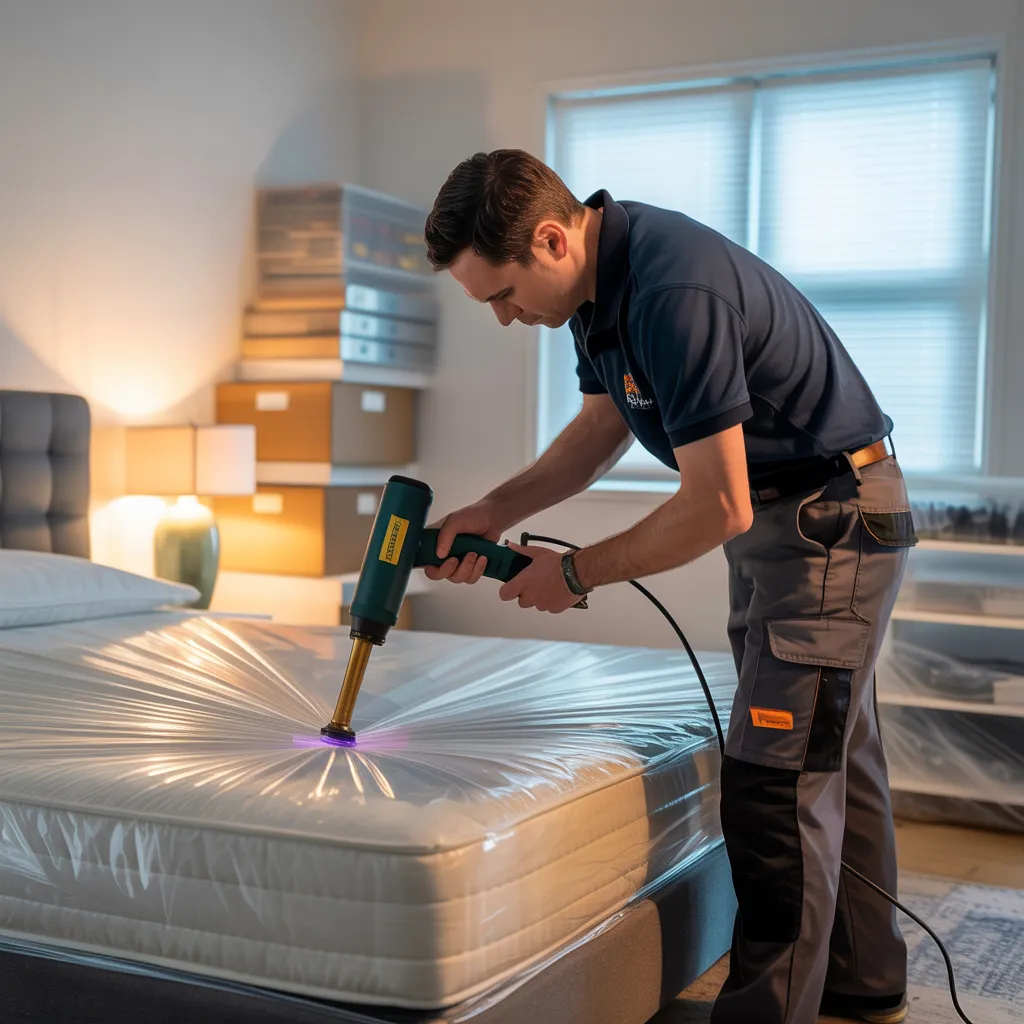
Why Heat Treatment Is the Best Solution for Bed Bug Elimination
Heat treatment stands out as one of the most reliable approaches for eradicating bed bugs. This approach utilizes extreme heat, typically between 120°F and 140°F, to eliminate all developmental stages of these bugs, including eggs. As opposed to chemical solutions, which may require multiple applications and can leave behind residues, heat treatment penetrates into furniture, cracks, and crevices, providing complete and thorough treatment.
Additionally, this method is environmentally safe, as it avoids the use of possibly dangerous pesticides, making it a better choice for both homes and businesses. The efficiency of heat treatment is significant; evidence suggests that it can eliminate bed bugs within just minutes of contact with lethal temperatures. Moreover, heat treatment often takes less time than older techniques, enabling more rapid treatment of bed bug problems. Considering these benefits, heat treatment stands out as a dependable solution for people struggling with bed bug challenges.
What Is Required for Successful Heat Treatment
Achieving successful heat treatment for bed bug removal necessitates careful planning and the proper tools. Key equipment includes high-capacity heaters that can achieve temperatures exceeding 120°F, which is critical for eliminating bed bugs across all life stages. Thermal imaging devices can assist in locating thermal discrepancies, confirming that every area is properly heated. In addition, fans play a crucial role in effectively moving hot air, supporting even temperature distribution throughout the entire treated space.
Protective gear, such as masks and gloves, is essential for protection during the treatment process. Precise temperature measurement tools, like temperature sensors, enable accurate monitoring of heat levels in various locations. A dependable energy source is essential, as the heat treatment process may necessitate prolonged operation times. Additionally, proper insulation of treated areas assists in maintaining elevated temperatures for extended periods, enhancing effectiveness. With the right preparation and equipment, the probability of complete bed bug removal greatly increase.
Identifying Bed Bug Hiding Spots in Your Home
Where could bed bugs be hiding in a home? These insects are well known for their capacity to hide themselves in numerous places. Frequent hiding locations include the stitching and folds of mattresses and box springs, where they feed on sleeping inhabitants. Bed frames and headboards likewise act as suitable refuges, commonly sheltering eggs and nymphs within their crevices.
Apart from bedding, bed bugs may inhabit furniture, particularly fabric-covered pieces such as settees and seating. They can also squeeze into crevices within walls, baseboards, or flooring. Disorganized spaces, including dressers and storage areas, provide further opportunities for these insects to thrive.
Routine checks of these areas can assist in detecting infestations at an early stage. Residents should remain alert, carefully inspecting any areas of concern and using a flashlight to enhance their view. Knowing the common hiding places of bed bugs is critical applicable information for successful control.
Carrying Out Heat Treatment: A Step-by-Step Guide
A systematic approach to heat treatment can effectively eradicate bed bugs from infested spaces. The procedure starts with a comprehensive assessment to determine the scope of the infestation and the particular zones needing attention. Next, all items in the affected area should be removed or covered to prevent heat loss. The interior temperature should be increased to no less than 120°F (49°C) through the use of dedicated heaters, making certain that heat is distributed consistently throughout the room.
Monitoring equipment should be installed to track thermal readings, as uniformity in temperature is vital for optimal results. After the desired temperature has been achieved and held for a minimum of 90 minutes, the treatment can be deemed successful. Following the treatment, the area should be allowed to cool slowly, and an additional assessment carried out to ensure the removal of bed bugs. As a final step, any residual items must be treated or disposed of to eliminate the risk of re-infestation, confirming a complete and effective bed bug removal process.
Easy Ways to Keep Your Space Bed Bug-Free
Sustaining a bed bug-free home calls for proactive strategies and ongoing vigilance. Routine checks of sleeping spaces, such as mattresses, box springs, and furniture, are critical for identifying the earliest indications of bed bugs. Storing personal items away from the floor and applying protective covers to mattresses can significantly lower the chances of an infestation.
Reducing clutter in spaces eliminates hiding spots for these pests, while frequent laundering of bedding and clothing in high-temperature water removes existing eggs and insects. Regular vacuuming is essential, making sure the vacuum bag is discarded right away to stop the spread of reinfestation.
Travelers ought to check lodging accommodations and keep luggage elevated off floors. Moreover, informing every member of the household about recognizing bed bugs and their signs strengthens collective knowledge and rapid response. By following these practices consistently, individuals can successfully preserve a bed bug-free environment and lower the risk of a bed bug infestation.
Frequently Asked Questions
How Long Does It Take for Heat Treatment to Eradicate Bed Bugs?
Heat treatment usually takes approximately six to eight hours to effectively eliminate bed bugs. The duration may vary according to the infested area's size and the equipment used during the treatment process.
Do My Belongings Experience Any Side Effects from Heat Treatment?
Heat treatment can potentially damage delicate belongings, such as plastics, artwork, and electronics, because of high temperatures. That said, most household items, particularly hard surfaces and textiles, usually survive the treatment with no significant damage or lasting impact.
Should I Perform Heat Treatment Myself or Hire a Professional?
Homeowners may opt to carry out heat treatment independently or bring in a professional. DIY methods may lack precision, while experts ensure thoroughness and safety. Considering the risks and outcomes helps determine the best approach for eradicating bed bugs.
What Temperature Is Essential for Effectively Killing Bed Bugs?
In order to effectively eradicate bed bugs, heat levels need to reach no less than 118°F (48°C) for a continuous period of time. Elevated heat levels, close to 130°F (54°C), can provide quicker results, confirming the thorough extermination of every life stage.
How Frequently Should I Repeat Heat Treatment for Optimal Results?
Repeating heat treatments every 2 to 4 weeks is recommended for ideal results. This schedule helps confirm any recently hatched bed bugs are destroyed, preventing re-infestation and ensuring a thorough elimination of the pests.