Reliable Pest Control Services in Rosemead for Residential Properties
Typical Pests and Solutions: A Comprehensive Guide to Pest Control
Residential properties commonly experience difficulties with common pests like ants, cockroaches, and rodents. Such pest problems may interfere with everyday routines and create health hazards. Timely recognition is vital, often marked by telltale signs such as droppings or gnaw marks. Knowing proper control methods and preventive measures can protect residences. This guide discusses these topics and provides insight into when professional help may be necessary. What steps can homeowners take to defend their residences properly?
Detecting Prevalent Household Pests
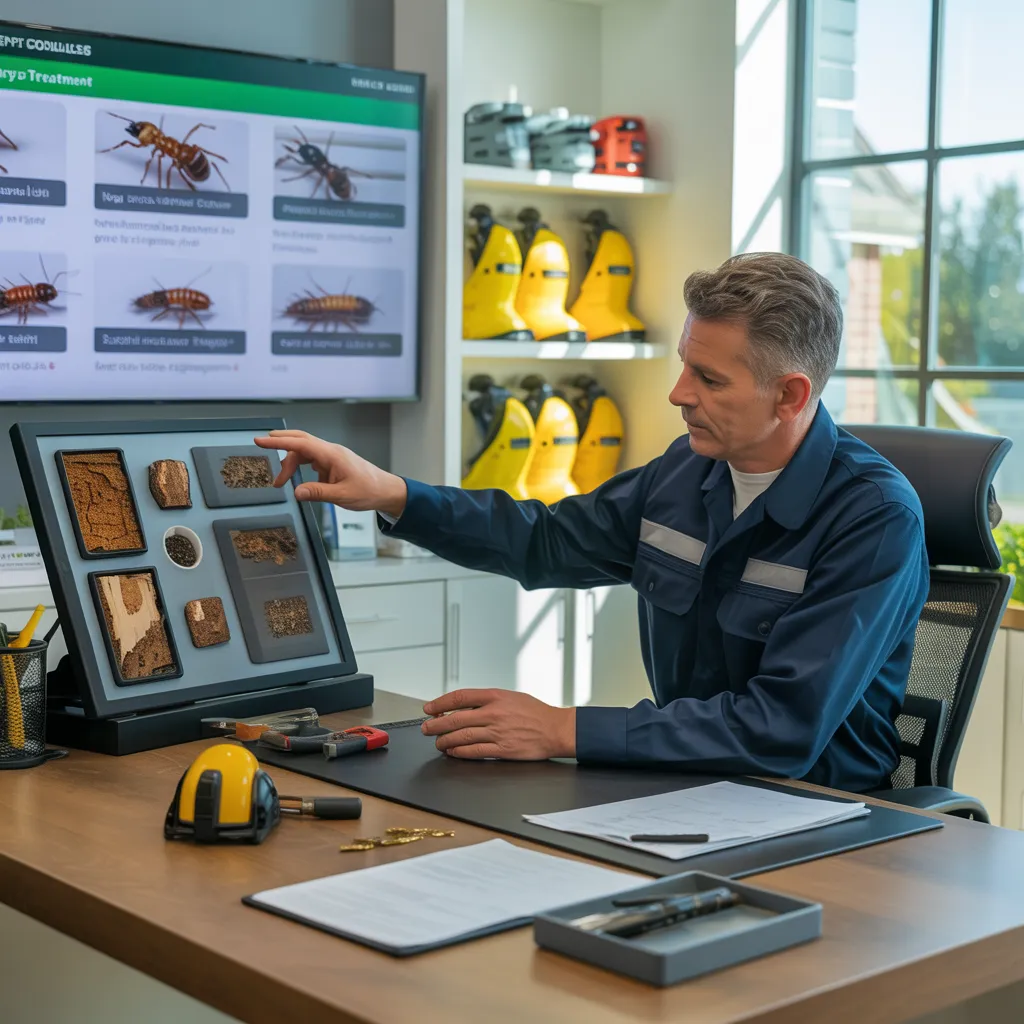
What are the ways to effectively identify common household pests? The primary step entails observing the environment for traces of pest activity. Typical household pests consist of ants, cockroaches, spiders, and rodents. Every species displays unique characteristics. Ants are frequently observed in trails, while cockroaches favor dark, damp areas. Spiders can be detected by their webs and unique body shapes. Rodents, like mice and rats, produce droppings and gnaw marks.
Additionally, understanding pest behavior is important. For example, some pests are nocturnal, making after-dark inspections essential. Awareness of their favored habitats assists in identification; termites, for instance, are commonly found near wood sources. Understanding these traits can allow for faster identification and appropriate management. As a result, a keen eye and knowledge of common pests' habits and appearances are fundamental for successfully identifying household intruders.
Indicators of Infestation
A home's pest problem frequently becomes apparent through different indicators of infestation. Homeowners may notice droppings, which can vary in size and shape depending on the pest species. Additionally, chew marks on wooden surfaces or food containers suggest rodent presence, while small holes in walls or furniture may suggest the presence of insects such as termites. Unusual sounds, like scratching or buzzing, often signal an infestation hidden within walls or ceilings.
An additional revealing sign is the existence of webs or nests, which can be found in concealed spots and corners. Unexplained damage to plants or food items may also indicate pest activity. Moreover, disagreeable odors can emerge from rotting pests or their waste. Detecting these signs early is crucial for successful pest control, as immediate intervention can avoid further damage and mitigate health risks associated with infestations.
Prevention Tactics
Once signs of infestation are discovered, implementing effective prevention strategies becomes critical to protecting a home against future pest problems. Homeowners should initially focus on preserving cleanliness, as food waste and clutter lure pests. Routinely sweeping, vacuuming, and properly storing food can greatly reduce the likelihood of infestations.
Additionally, closing cracks and crevices in windows, doors, and walls prevents pests from entering. Fitting screens on vents and windows creates another barrier against unwanted intruders. Adequate drainage and getting rid of standing water remove breeding grounds for insects.
Effective landscaping approaches play a vital role; maintaining trimmed bushes and establishing a clear buffer zone between vegetation and the home can keep pests at bay. Additionally, instructing household members about these practices creates a collective effort in prevention, creating greater difficulty for pests to take hold within the home.
Effective Care Alternatives
Tackling an infestation calls for a tactical approach to confirm effective treatment options are implemented. Multiple methods are offered, tailored to specific pest types and the degree of the infestation. Chemical applications, such as insecticides and rodenticides, are commonly used for their prompt impact. However, these chemicals should be administered responsibly, following safety standards to secure humans and pets.
Utilizing natural predators and parasites as biological controls offers a sustainable alternative, lessening the need for chemical solutions. IPM integrates various approaches, focusing on prevention and monitoring in addition to treatment, thereby improving sustained efficacy.
Physical barriers, such as traps and exclusion techniques, offer non-toxic alternatives for handling pests, especially rodents and insects. In situations involving severe infestations, professional pest control services may be necessary, employing sophisticated methods and expertise to eradicate pests effectively. Each treatment option should be examined for its performance, safety, and environmental impact to ensure a comprehensive approach to pest management.
DIY Pest Control Methods
Regarding pest control, DIY techniques offer effective choices to commercial treatments. Environmentally friendly alternatives for managing pest problems encompass natural remedies and homemade traps or baits. These strategies not only reduce reliance on synthetic substances but also help individuals to take control of their living spaces.
Organic Solutions for Pest Control
How can homeowners effectively combat pests without resorting to harsh chemicals? Organic solutions provide an eco-friendly option for controlling pests. Aromatic oils, including peppermint and tea tree, are able to repel bugs when mixed with water and applied throughout the house. A fine powder created from fossilized algae, diatomaceous earth, may be distributed in locations where pests are common, leading to dehydration in bugs that touch it. Vinegar solutions serve as effective cleaners that also repel ants and spiders. Additionally, planting pest-repellent herbs like basil and lavender can create a natural barrier against unwanted insects. Through adopting these natural strategies, residents can keep a pest-free home while decreasing their interaction with hazardous chemicals.
Homemade Baiting and Trapping Methods
For homeowners searching for more options to address pests without chemical solutions, DIY traps and baits offer a practical answer. These do-it-yourself strategies leverage ordinary household supplies, rendering them both economical and environmentally friendly. For instance, a simple fruit fly trap can be created using a vessel filled with apple cider vinegar and wrapped with plastic film, poked with tiny holes. This attracts and traps the flies, lowering their population. Likewise, a blend of borax and sugar functions as an effective bait for ants, enticing them while the borax impairs their digestive mechanisms. Handmade traps can focus on different pests, encompassing mice, insects, and even larger animals, supplying homeowners with a sensible replacement for purchased pest control merchandise.
When to Call a Professional
Establishing the right point to contact a professional for pest control can be difficult. Homeowners often seek to manage pest issues themselves, but particular situations warrant expert help. If the infestation is extensive or has persisted despite DIY efforts, it is wise to seek professional assistance. In addition, particular pests, such as termites or bedbugs, require expert treatments that are best handled by experienced technicians.
When a homeowner encounters health concerns, including allergies or disease transmission related to pests, the requirement for professional assistance escalates. Furthermore, if the pest issue threatens structural integrity or poses a fire hazard, swift action is essential.
Lastly, people missing the time or expertise to properly handle the situation should consider engaging professionals. Detecting these signs can promote timely and effective pest management, guaranteeing a safe and comfortable living environment.
Questions & Answers
How Can I Recognize if My Pest Infestation Is Serious?
To assess if a pest infestation is severe, one should look for the regularity of sightings, visible damage to property, signs of infestation, and the presence of droppings or nests, pointing to a substantial, ongoing concern.
Are Natural Pest Control Remedies Effective?
Eco-friendly remedies for pest control include utilizing essential oils, diatomaceous earth, vinegar, and soapy water. These methods can repel or get rid of pests without dangerous chemicals, attracting those wanting environmentally friendly choices for managing infestations.
How Should I Safely Dispose of Deceased Pests?
For safe disposal of dead pests, you must wear gloves, position the remains in a sealed bag, and dispose of it in the trash. Alternatively, some may decide to bury it at a safe distance from living spaces.
Could Pests Influence My Pets' Health?
Absolutely, pests can negatively impact your pet's well-being. These infestations may result in diseases, parasites, and allergic reactions, potentially causing severe health issues or discomfort. Routine vet visits and prevention strategies are crucial for maintaining pets' well-being against pests.
How Much Does Professional Pest Control Cost?
Qualified pest control services generally range from $100 to $300 pertinent information per service call, based on factors like the type of pest, severity of infestation, and location. Ongoing maintenance plans may involve additional costs over time.